
Pennsylvania
Our mission is to save lives by meeting the most critical needs of our communities and investing in breakthrough research to prevent and cure breast cancer.
Pennsylvania
Our mission is to save lives by meeting the most critical needs of our communities and investing in breakthrough research to prevent and cure breast cancer.
Need Help?
Call our breast care helpline to assist with finding local screening and diagnostic facilities or clinical research trials, requesting financial assistance, or other questions or care needs.
Get Involved
Help us reach our vision of a world without breast cancer by getting involved in our local community.
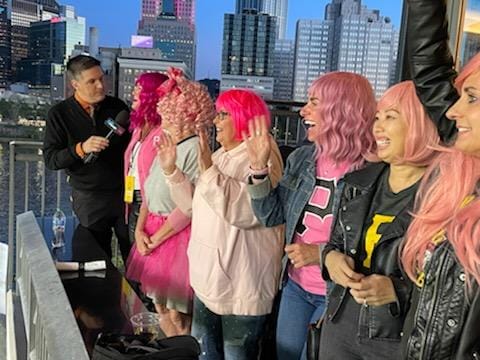
Komen Philadelphia
MORE THAN PINK Walk
Sunday, May 12, 2024
Join us as we share stories, remember those we’ve lost, and support those looking for the strength to move forward. Together, we can support one another and raise money to end breast cancer forever.
You have the power to change lives. Join Us
Register Today
Komen Pittsburgh
MORE THAN PINK Walk
Sunday, May 19, 2024
Join us as we share stories, remember those we’ve lost, and support those looking for the strength to move forward. Together, we can support one another and raise money to end breast cancer forever.
You have the power to change lives. Join Us
Register Today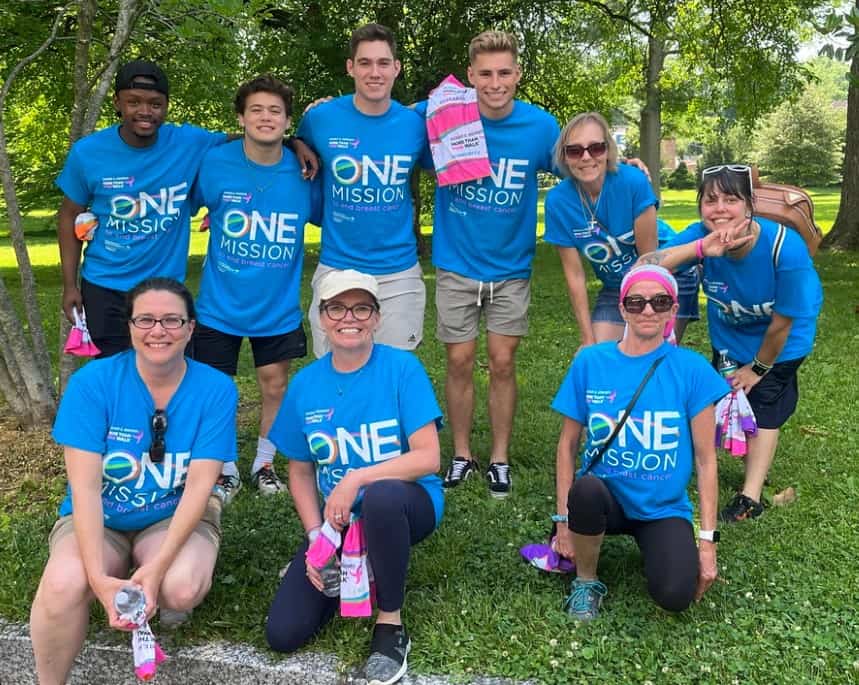
Make a Difference by Volunteering
When you volunteer with Susan G. Komen, you’re helping to save the lives of people in your community – and around the world. Join us as we work to create a world without breast cancer. We value all our volunteers who assist in Komen events, delivering our mission, sharing our advocacy, and more.
We have volunteer opportunities for our Greater Philadelphia MORE THAN PINK Walk and for our Pittsburgh MORE THAN Pink Walk.
Volunteer in Greater Philadelphia
Volunteer in Pittsburgh
QUESTIONS? CONTACT US!
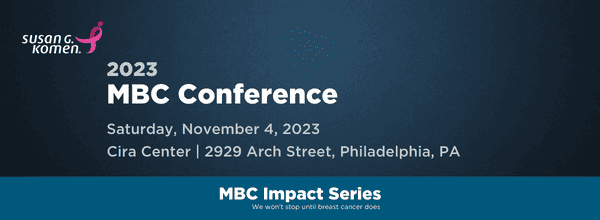
MBC Conference Recordings
Thank you to all of the attendees, sponsors, speakers and volunteers that participated in the Metastatic Breast Cancer Conference in Philadelphia. We left this special event awed by the power of our community and its changemakers, who are making such a significant impact on people’s lives. If you were unable to attend, please see the conference recordings below.
The Importance of Imaging in MBC Treatment
Contact us to learn more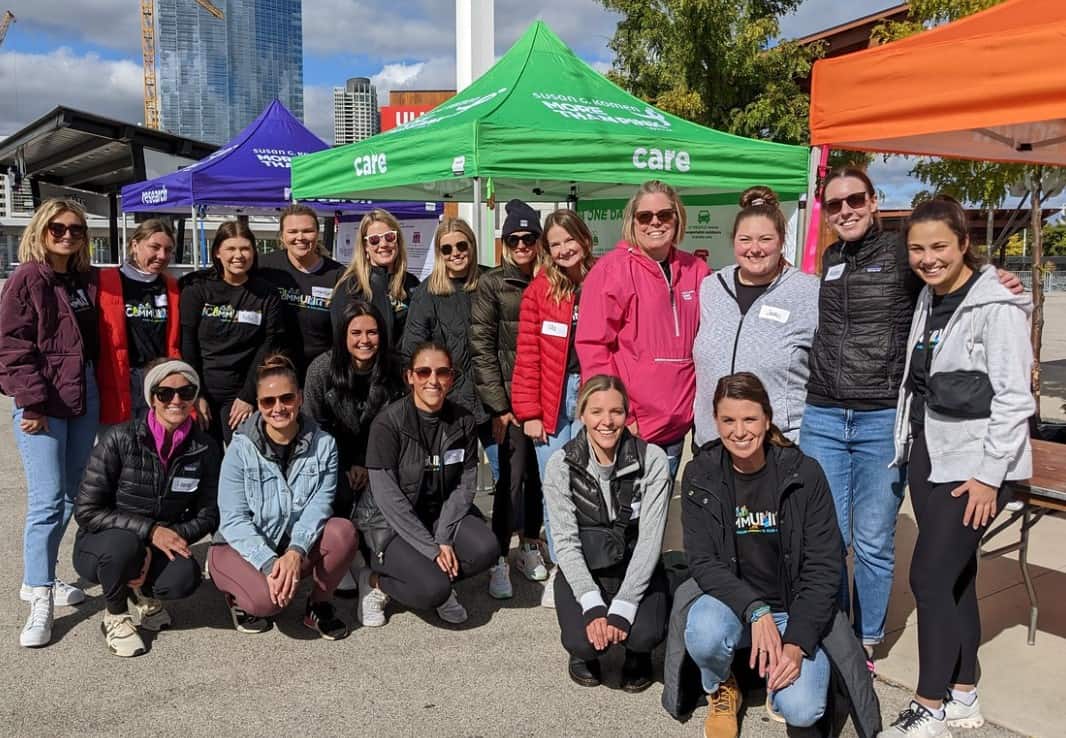
Engage your employees in our mission to end breast cancer forever.
When your organization partners with Komen, you’ll have access to trusted, accurate, timely breast cancer information to share with staff, and exciting team-building programs that are simple to implement. Plus, the Komen team will be ready to support, step-by-step, as you launch a corporate health and wellness campaign or employee engagement program.
Learn MoreLocal Events
Join the fight to end breast cancer by attending an event in Pennsylvania!
Questions? Contact Us

ShareForCures
Your breast cancer information is as unique as you are. When combined with thousands of other ShareForCures members, you provide scientists with a more diverse set of data to make new discoveries, faster.
Latest News & Information

Nikki’s Story: I’m Not Going to Let Cancer Steal My Sparkle
Nikki Anderson’s cancer journey began with a uterine cancer diagnosis in her 30s, which was followed by a breast cancer diagnosis six years later. She celebrates her journey by fundraising for the Komen 3-Day with Team Sparkle, inspired by her own adage: “I’m not going to let cancer steal my sparkle.”
The post Nikki’s Story: I’m Not Going to Let Cancer Steal My Sparkle appeared first on Susan G. Komen®.

Susan G. Komen® Peoria MORE THAN PINK Walk Raises Funds for Breast Cancer Patient Care Services in Illinois
Susan G. Komen®, the world’s leading breast cancer organization, will hold the Susan G. Komen Peoria MORE THAN PINK Walk on Saturday, May 11, 2024, at Metro Centre. This signature event enables Komen to raise critical funds that provide direct support to breast cancer patients, fund groundbreaking research, empower health equity initiatives nationwide, and advocate […]
The post Susan G. Komen® Peoria MORE THAN PINK Walk Raises Funds for Breast Cancer Patient Care Services in Illinois appeared first on Susan G. Komen®.
Pennsylvania
Contact Us
Susan G. Komen Pennsylvania

State Executive Director, Pennsylvania/Delaware: Brandie Engelberger
Email: bengelberger@komen.org
Phone: 972-855-4310